Wild camping in Europe: where free camping is allowed and banned in 2026
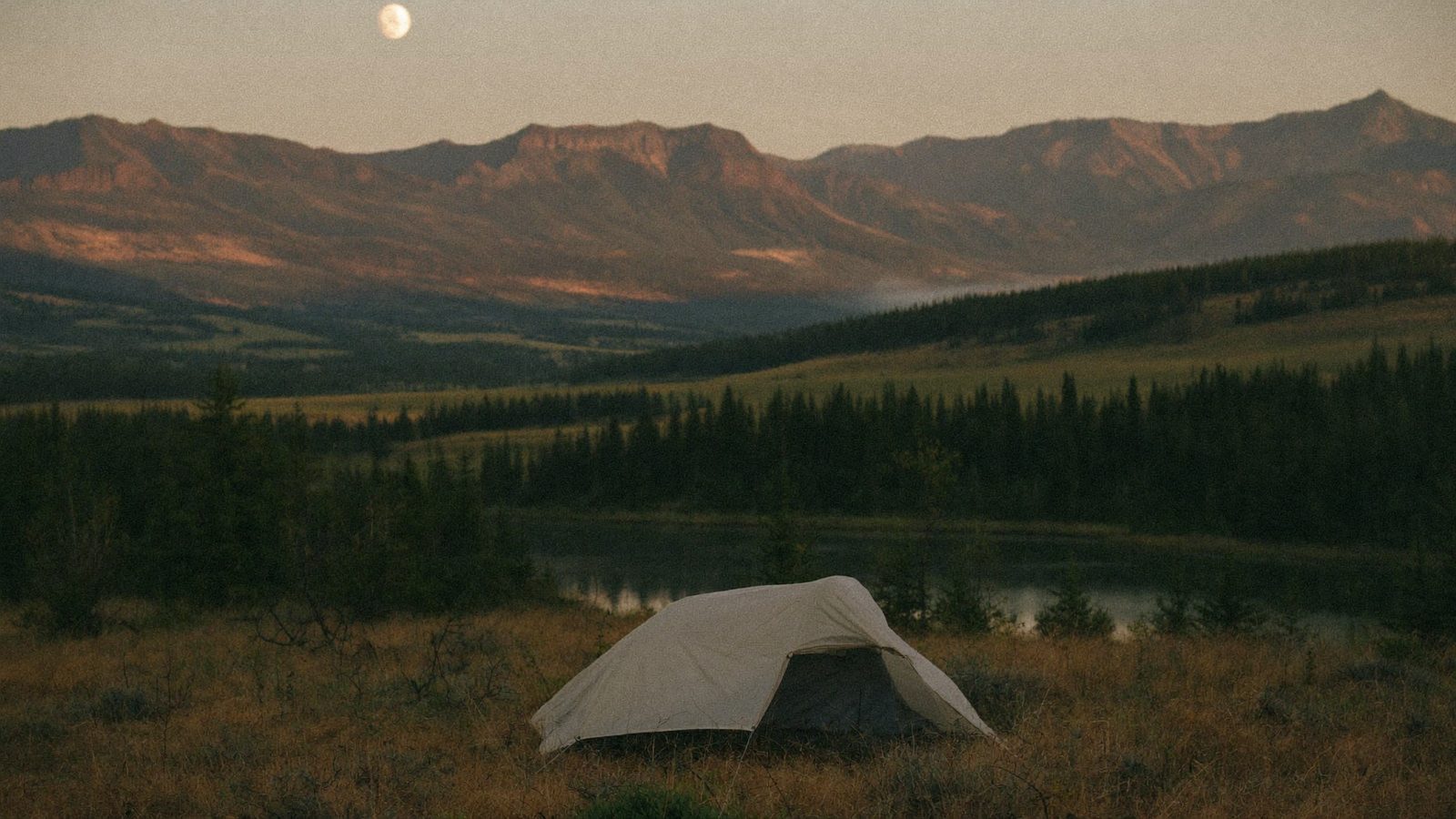
Wild camping is far from legal everywhere in Europe. In Scandinavia (Norway, Sweden, Finland) the 'right to roam' allows tent camping in nature within limits, but countries like the Netherlands, France, Italy and Croatia largely ban free camping. Crucially, overnight motorhome parking follows different rules than tent wild camping, and a legal aire or motorhome pitch is almost always the safe choice.
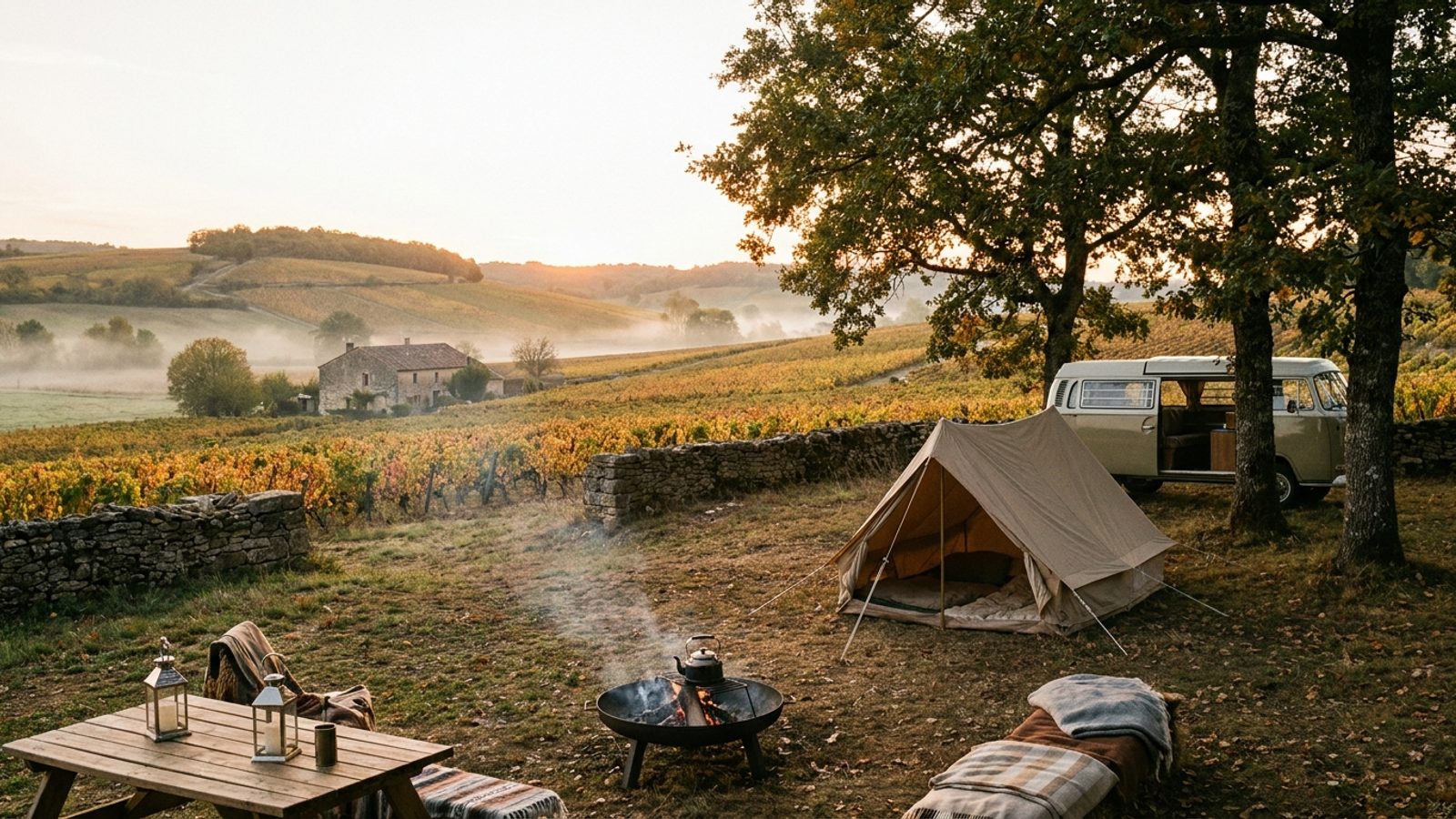
An evening by a lake, pitching your tent or parking your camper wherever you like, no booking, no bill. For many campers that is the ultimate feeling of freedom. But as a recent article from autobahn.eu puts it: you think you can camp anywhere freely, until you start the engine. The rules around wild camping and overnight parking vary enormously across Europe, and ignoring them can mean a fine or a knock on the window at night.
Free camping is not a European right
Contrary to what many people assume, there is no general 'right to wild camp' across Europe. Each country, and often each region or municipality, sets its own rules. What is quietly tolerated in one place can earn you a fine a few hundred kilometres further on.
On top of that, 'free camping' can mean two very different things: pitching a tent out in nature, or staying overnight in a motorhome or van. These two usually fall under different rules, and that distinction is exactly where most misunderstandings start.
Scandinavia: the right to roam
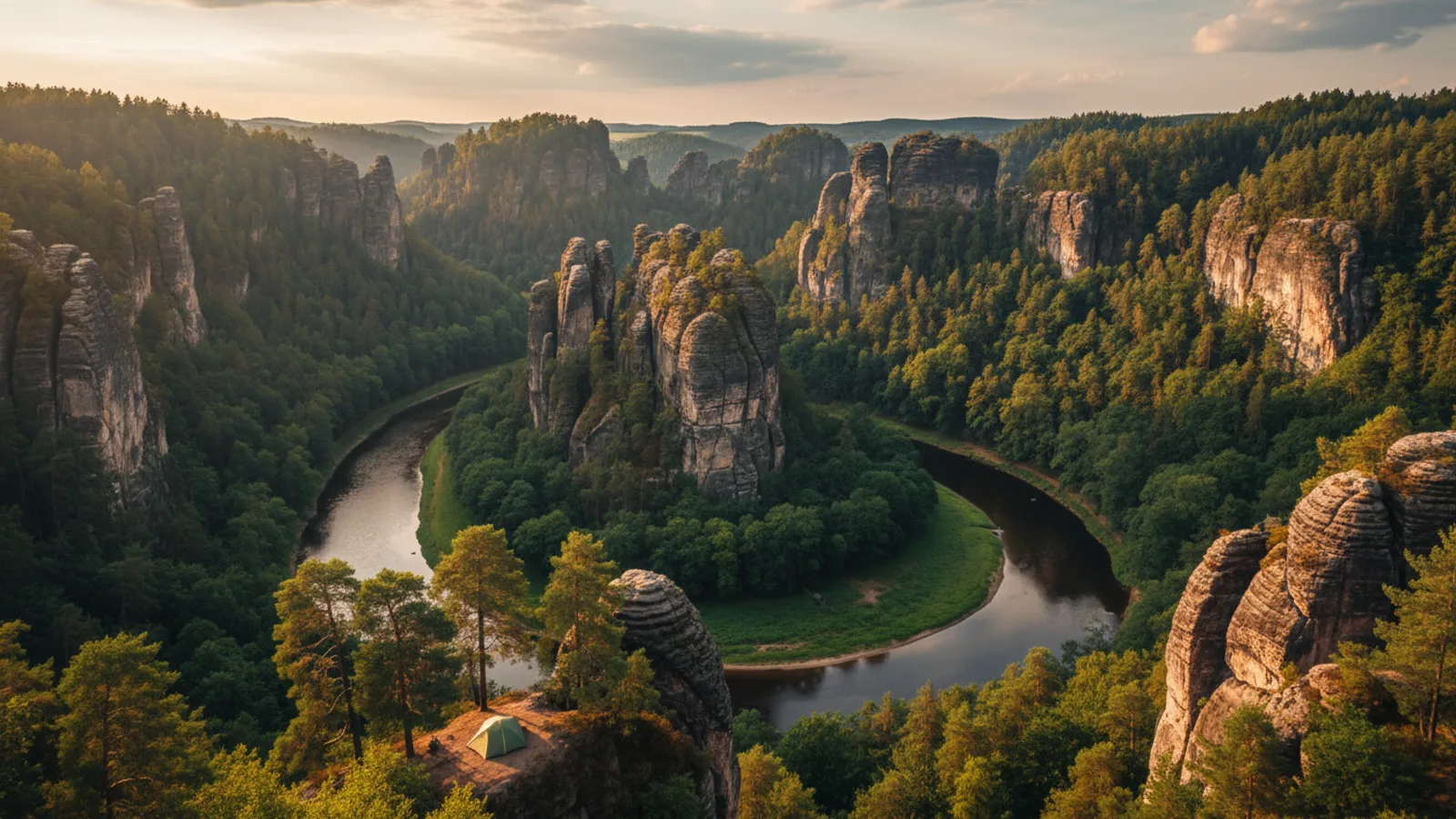
In Norway, Sweden and Finland the famous 'allemansrätten', or right to roam, applies: you may walk into nature and pitch your tent for a night or two, even on undeveloped private land. It comes with clear limits, though: keep your distance from homes (Norway's guideline is roughly 150 metres), leave no litter, avoid open fires in dry spells and do not stay too long in one spot.
Note that the right to roam covers tent camping on foot, not automatically overnight stays in a motorhome. Campervans often face separate, stricter parking rules, especially in nature reserves and along coastlines.
Southern and Western Europe: usually banned
Across much of Western and Southern Europe, wild camping is largely banned or heavily restricted. In the Netherlands you cannot simply camp outside a campsite; in France there are bans in many places such as coastlines, nature parks and within sight of monuments; and in countries like Italy and Croatia free camping and overnight motorhome parking are actively enforced, particularly along the coast.
Fine levels vary by country and region and can climb steeply, especially in protected natural areas. Never rely on a single figure you read online: rules and enforcement change and are local. Always check the current, on-the-ground rules before you settle in for the night.
The difference: free camping versus a legal aire
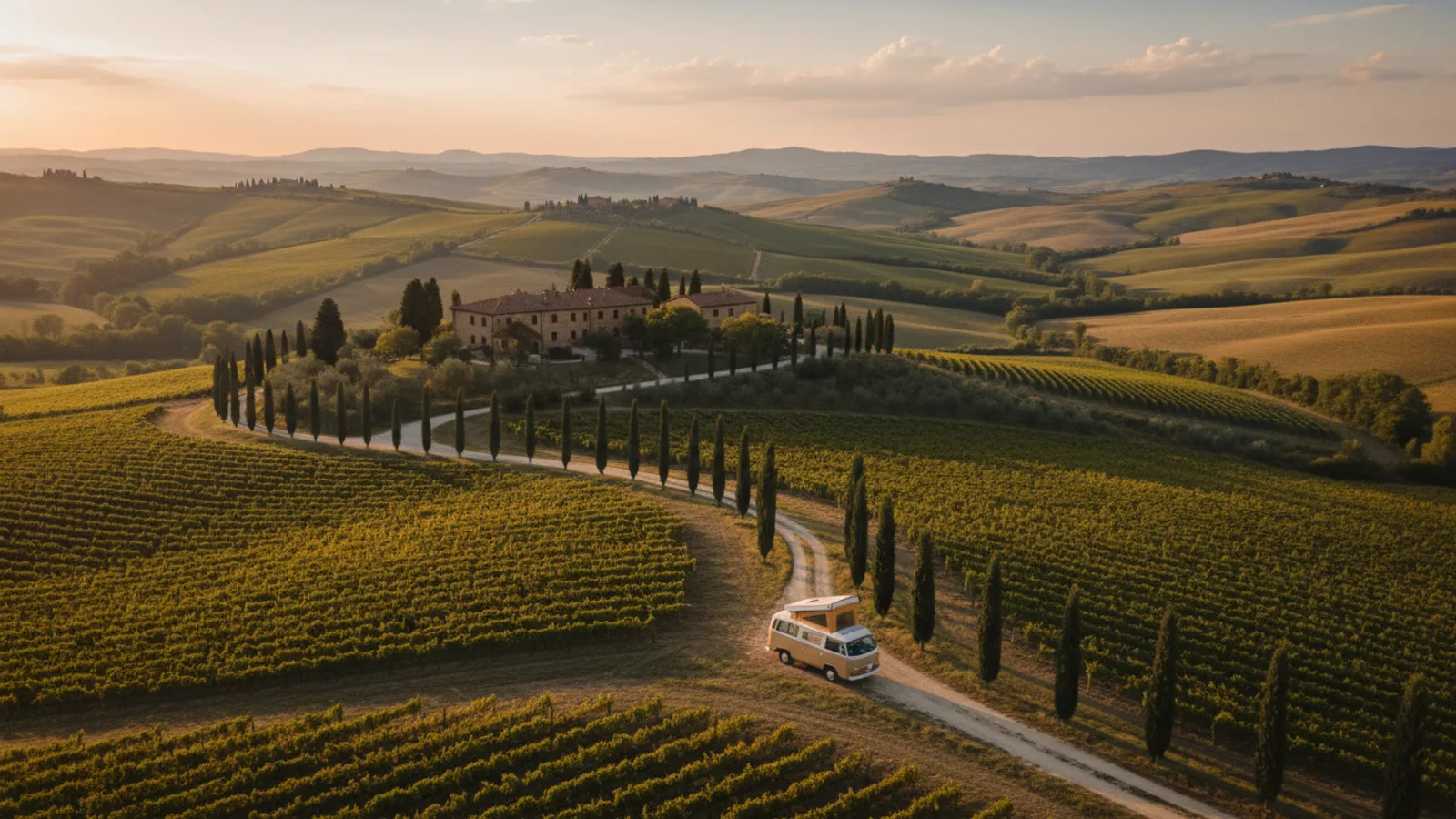
A motorhome pitch (an 'aire' in France, a 'Stellplatz' in Germany) is something quite different from wild camping. It is a designated, legal place to stay overnight in a motorhome, often with facilities like water, electricity and a waste point, sometimes free and sometimes for a small fee.
Many countries that ban wild camping have a dense network of these aires precisely because of it. That lets you keep the feeling of travelling freely without the risk of a fine. For anyone who wants the freedom of the camper but none of the hassle, an aire is almost always the smartest choice.
Camping responsibly: practical tips
If you do want to stay close to nature where it is allowed, stick to a few basics: choose a legal spot, stay no more than one night, leave absolutely no trace, avoid open fires, keep noise down and respect private land and signs. 'Leave no trace' is not just good manners, it also keeps free overnighting possible for everyone who comes after you.
In doubt? Ask locally, at a farm, a tourist office or the municipality. A friendly question beforehand prevents an unpleasant surprise in the middle of the night, and sometimes even earns you a beautiful spot you would never have found otherwise.
Frequently asked questions
Can you wild camp in the Netherlands?+
No. In the Netherlands, free camping outside a campsite or designated spot is banned almost everywhere. You need the landowner's permission, and nature reserves usually enforce a strict ban. Use a (small) campsite or a legal motorhome pitch instead.
Where is wild camping actually allowed in Europe?+
Mainly in Scandinavia. In Norway, Sweden and Finland the right to roam allows tent camping in nature within clear limits (distance from homes, no traces, short stays). Scotland has a similar arrangement for tent camping.
Is overnight motorhome parking the same as wild camping?+
No. Motorhomes often face separate parking and overnight rules, distinct from tent camping. Even in countries with a right to roam, you cannot automatically park a camper anywhere overnight. A legal aire or motorhome pitch is the safe option.
How high are the fines for free camping?+
They vary widely by country, region and location, and can climb steeply in protected areas. There is no fixed European amount. Don't rely on a single number you see online; always check the current local rules before staying anywhere.
What is an aire or motorhome pitch?+
An aire (France) or Stellplatz (Germany) is a designated, legal place to stay overnight in a motorhome, often with water, electricity and a waste point. Sometimes free, sometimes for a small fee. An ideal legal alternative to wild camping.